March 22, 2022 at 9:29 AM
The most shocking thing I could say to myself 15 years ago is that today I trust Microsoft more than I trust Google

The most shocking thing I could say to myself 15 years ago is that today I trust Microsoft more than I trust Google
One of the most popular posts on our blog was A Practical Guide to Using setup.py.
It was a guide to help
your collaborators quickly understand the structure of a project, and makes it easier for them to set up the project on their machine.
Lots has changed in the last 3 years, since that blog has been published.
Last week Rogier van der Geer published a follow-up updated with what you should use today!
Read it before setting up your next Python project.
https://godatadriven.com/blog/a-practical-guide-to-setuptools-and-pyproject-toml/
#knowledgesharing #python #godatadriven

Oil just dropped below 100$ / barrel (down from 130$ / barrel).
Are you the next Managing Director #Godatadriven Switzerland?
We’re looking for an entrepreneur to kickstart our presence in Switzerland and the top 3 things we look for are:
You’ll share the office with our colleagues of #SwissQ, working closely with the awesome Adrian Zwingli and Peter Zuber and the whole crew there!
You can send me a message through LinkedIn, leave a comment (know someone in your network and we hire them? Name your prize!), or apply with the link below!
https://godatadriven.com/careers/managing-director/
SwissQ Consulting AG | Part of Xebia GoDataDriven | Part of Xebia
Absolutely thrilled to be hosting the Data & AI Maturity Journey track at the Applied Machine Learning Days conference at the end of the month!
We put up a program together with
The conference is from the 28th to the 30th of March, in beautiful Lausanne. In 2020 more than 2.000 people were there.
Our track is on the 28th of March, from 13:30 to 17:30.
Interested? Check it out 👇🏼
The Italian espresso is the best way to extract from coffee beans all the pleasure they can give.
You probably know #GoDataDriven has the best coffee in Amsterdam. I approved the machine and every single bean we use.
But did you know the pizza we order for meetups follows the same meticulous validation process?
That’s why every pizza we serve has a tiny slice removed: I eat it to give my personal stamp of approval.
Don’t believe me? Here’s your chance to try for yourself!
Rens👋 Dimmendaal is organizing an MLOps meetup on the 7th of April. Free pizza from 18:00, and kick-ass content from 19:00!
Be there.
https://www.meetup.com/amsterdam-mlops-community/events/284500830/

Beautifully put by Arkady Ostrovsky:
“If fortune favours Mr Zelensky, it is because he carries the virtue that Mr Putin lacks: he speaks the truth for his people.”

Have you ever thought why the flight attendants bother giving safety instructions? Do you listen to them?
Flight attendants are stuck. They can’t go off script.
Probably a long time ago, there were tests on how to deliver those safety instructions to passengers.
The current way was tested not with busy passengers needing to get somewhere, but people recruited for the purpose. It probably fared better than anything else.
Yet, when applied in real life, it sucks. We don’t listen to what they say.
I see the same mistake made in data science: people test their model with real data, but not in production.
I used to tell my classes a story of a big online retailer developing a much better version of their recommender — “customers who bought this, also bought that” type of thing.
With the new recommender, fewer clicks were necessary to understand the set of items the customer wanted to buy.
Before rolling out, they A/B tested it — luckily.
To their surprise, people exposed to the new version, were closing their browser more quickly without buying!
Some of them were logged in, so they decided to investigate.
It turns out, customers were creeped out by the eerie accuracy of the new recommender. They left the website, afraid of what else the retailer would find out about them.
The retailer went back to the old version.
It doesn’t matter how enthusiast data scientists are about the model.
Without testing in production, it counts for nothing.

Are you a product manager for a popular video streaming app?
Drop what you’re doing.
Stop the focus groups to understand what your users want and all that bs.
Go read this piece by John Siracusa.
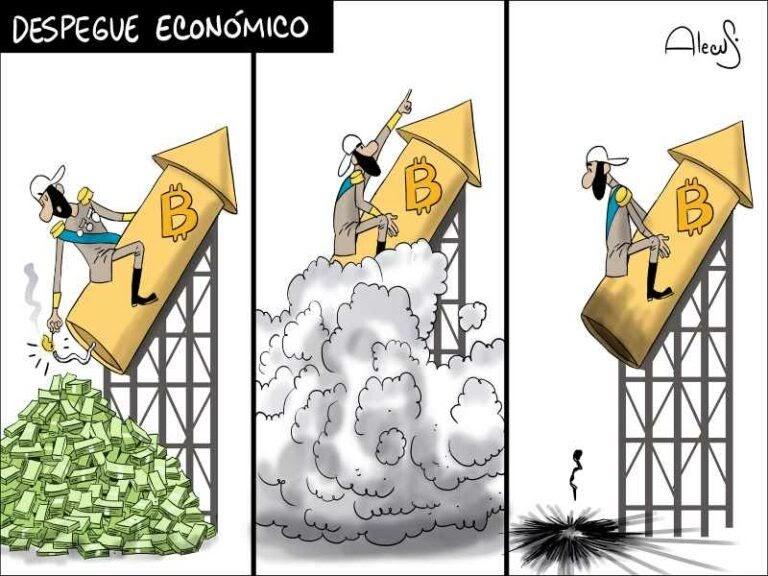
Why, statistically speaking, cryptocurrencies are for losers.
”The problem here is that the amount of actual money you can get out of a cryptocurrency equals the amount of actual money that has been put in, minus the actual costs of mining. So the big picture is that although there may be winners, in aggregate the system loses money.”
https://blog.dshr.org/2022/02/ee380-talk.html