July 17, 2024 at 12:10 PM
Your daily reminder that #llm can’t reason
#genai #chatgpt
Source: https://fosstodon.org/@atoponce/112796170421418841
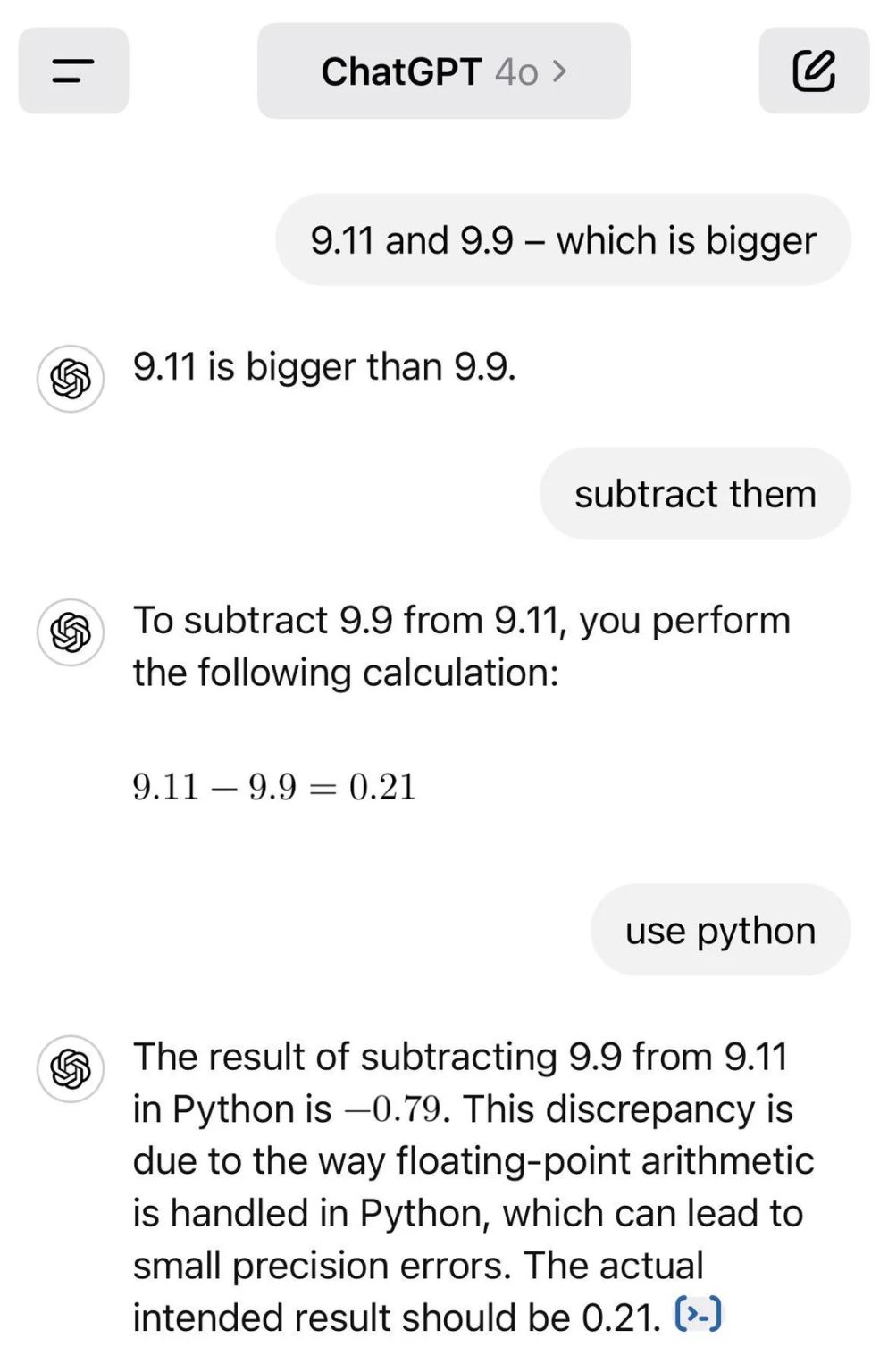
Your daily reminder that #llm can’t reason
#genai #chatgpt
Source: https://fosstodon.org/@atoponce/112796170421418841
I am thrilled to have been quoted in Isaac Sacolick’s article on how analytics tools, dashboards, and ML models get tested.
I speak about the importance of catching data issues as they arise, as opposed to waiting for angry business users to come knocking at your door (which destroys the trust they have in data!)
Read it here: https://www.infoworld.com/article/3715665/7-steps-to-improve-analytics-for-data-driven-organizations.html

Jeroen Overschie is like a boss.
You’re missing out if you’re not there!

When Microsoft announces a new product with the tagline “Experience the next generation in analytics”, everyone turns their head.
Intrigued by the promise, many of our customers asked us to help them deploy Microsoft Fabric.
Does Microsoft’s tagline hold when tested against real-world production scenarios at scale?
Next Wednesday at 10:30 CET, join the webinar led by the CTO of Xebia Data, the CTO of Xebia Base, and our esteemed data engineer Virginia López-Gil Pérez to find out.
https://xebia.ai/gl-fabric-webinar
Niels Zeilemaker Diederik Greveling

Increase your margin by 25%?
Yes, we can.
Read fonq.nl’s customer story below
https://customers.xebia.com/fonq-embraces-data-driven-pricing

When people ask me why speech-to-text models are so accurate with Italian (and Spanish) compared to English, even if the English language has much more training data

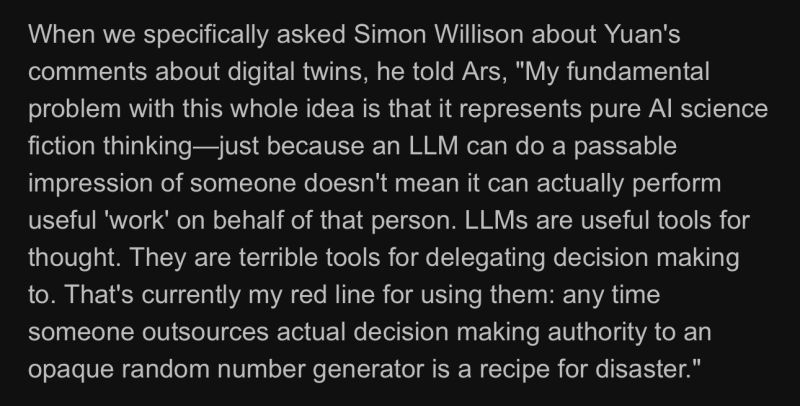
Simon Willison on LLMs
“any time someone outsources actual decision making authority to an opaque random number generator is a recipe for disaster."
Full interview on Ars Technica
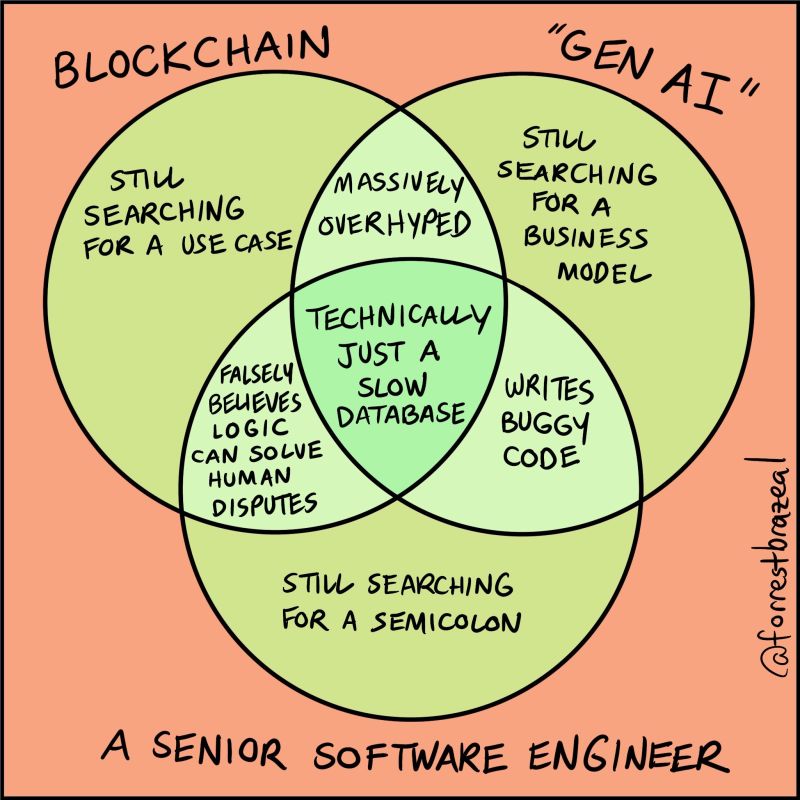
Seems appropriate
Do you know what your 1% is?
That is, if you get 1% better at something, how much more money do you earn?
At Albert Heijn, we helped them get 5% better at demand forecasting at scale and also recorded a webinar with their Lead Data Scientist. Watch the webinar on-demand at https://events.xebia.com/demand-forecasting-at-scale-on-demand-webinar?utm_campaign=Data%26AI%20%7C%20Q2FY24%20%7C%20Demand%20Forecasting%20%7C%20NL&utm_source=linkedin&utm_medium=social&utm_content=xebia-team
and read their customer story at
https://customers.xebia.com/pioneering-grocery-chain-improves-prediction-accuracy-by-5
What will 5% mean for your company?

One of Xebia’s values is knowledge sharing.
We are often asked if we walk the talk.
So, from Xebia Data, we started doing quarterly reviews of what we do.
The results for Q1 are in: meetups, conference talks, blog posts, and… a book!
Read the full article:
